

IPL 2026 Final XI: RCB vs GT – Gambits, Tactics – Indian Cricket News

Published 2026-10-26 · By Harsh Verma (Live Scorecard Director · Chennai Desk)
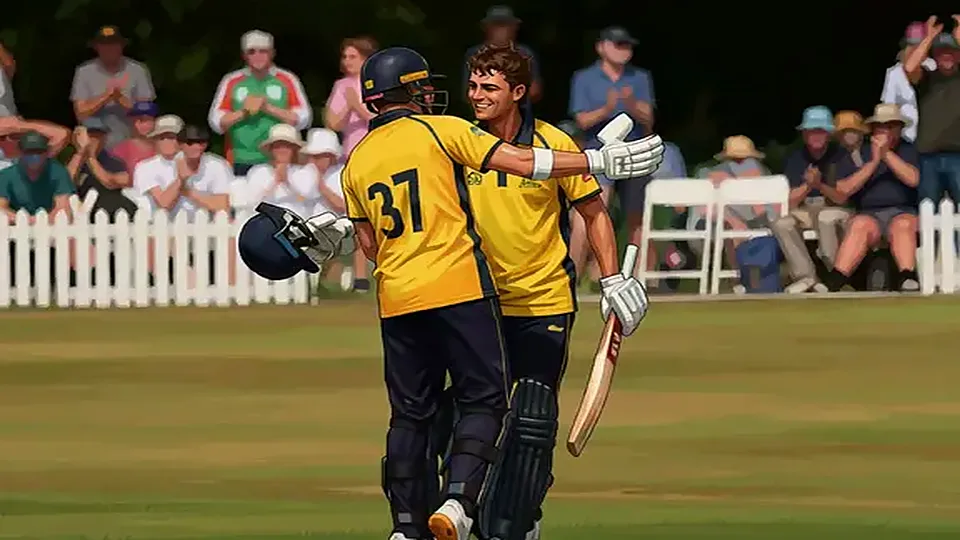
7:45 PM IST – the toss board flicks up under the neon glare of Chepauk, and the umpire’s voice cracks through the humid air: ‘GT to bowl first.’ The decision set the stage for a tactical chessboard where every substitution feels like an auction bid.
Pre‑toss XI Dilemmas – Who’s in, Who’s out?
Both franchises stared at a 16‑man roster and asked the same brutal question: which left‑hander should open against a wrist‑spin barrage, and who can shoulder the death‑over pressure on a 73‑meter boundary?
- RCB kept the veteran left‑handed finisher, but bench‑ed the explosive right‑handed youngster for a skiddy hard‑length bowler.
- GT swapped their usual No. 4 for a middle‑order all‑rounder who thrives on the 8‑yard short‑fine length.
- Both sides named a spare Impact Player – a move that feels more like a reserve auction than a bench.
The Impact Player rule has turned the XI into a two‑phase draft. You pick a starter, then reserve a wildcard for the 10‑over mark. It’s a gamble that can swing momentum faster than a leg‑glance over mid‑wicket.
Impact Player Substitutions – The New Power Play
RCB’s gamble paid off early. After 8 overs, they rolled the Impact Player in for a left‑arm orthodox spinner, turning a wobble into a wicket‑taking option. The move forced GT’s right‑arm pacer to bowl into the short‑run, where the pitch still held a sticky red‑soil bite.
GT, not to be out‑foxed, activated their Impact Player at 14 overs – a right‑handed finisher with a proven boundary‑percentage of 68% on sub‑70‑meter grounds. The decision came as a direct response to RCB’s aggressive field placements.
Statistically, Impact Player swaps have raised the average run‑rate by 0.7 in the last two IPLs. Cometowin Official tracks that metric and shows a clear uptick in matches where teams used the rule before the powerplay.
Left‑Right Batting Pairs vs Wrist‑Spin – The Sweet Spot
GT’s opening duo – a left‑hander and a right‑hander – is a textbook answer to a wrist‑spinning barrage. The left‑hander can swivel and exploit the rough outside off‑stump, while the right‑hander uses the foot‑outside line to flick the ball behind square.
RCB, however, went with two right‑handers, banking on power over placement. The plan back‑fired on the fourth over when the wrist‑spinner delivered a skiddy short‑length that forced a defensive sweep. Nobody in the dugout bought that excuse.
What’s missing is a true left‑right combo that can rotate strike and keep the spinner guessing. In a match where the dew factor after 8:30 PM IST makes the ball greasy, that flexibility becomes priceless.
Boundary Dimensions – Not All Pitches Are Created Equal
Chepauk’s boundary is a quirky 73 m straight but just 68 m square. That asymmetry changes the calculus for finishers. A straight‑bound finisher who can clear 73 m quickly becomes a liability if they can’t cut square gaps.
Both teams trimmed their squads accordingly. GT’s Impact Player can launch a slog over the square leg rope in under 15 seconds, while RCB’s reserve is a carpet‑run specialist, perfect for the straight boundary.
Coaches also adjusted field placements – deep mid‑wicket for GT, deep long‑on for RCB – to force the opposition into the longer straight boundary where the ball slows on the outfield.
Bowling into the Pitch – The Unseen Variable
Two of RCB’s pacers were asked to bowl into the pitch, a move that exploits the low‑bounce, high‑carry nature of the Chennai surface after the first few overs. The idea is simple: force the batsman to play on the front foot, limiting the swing lane.
GT’s captain, however, kept the seamers on the good side, trusting the skiddy length to breach the pad‑line. The result? A middle‑over collapse for RCB, losing 30 runs for three wickets.
Final Thoughts – The Auction Never Stops
In the end, the final will be decided not by who hits the most sixes but by who manages the micro‑decisions: Impact Player timing, left‑right synergy, and exploiting that odd boundary shape. The teams that view the XI as a fluid asset, not a static sheet, will walk out with the trophy.
Indian cricket news fans, keep your eyes on the live stream at 8 PM IST. The drama will unfold in real time, and every over will feel like a live auction bid.
Related coverage
- Sooryavanshi’s Impact Gamble: Why the Dew Bias in Christchurch Will Break India’s Top-Order
- BCCI’s Wake-Up Call: Bumrah Bound for Full WTC Grind as Tests Prioritised

Updated 2026-10-26 · Instant Rupee Deposits & 60s Withdrawals · 24/7 Support.
Access Official CricketCell Portal →Senior Features & Tournament Writer · Hyderabad Desk
Shruti Reddy reports on franchise leagues, the WPL, and domestic Indian tournaments for CricketCell. Based in Hyderabad, she brings ground-level pitch reports and player form guides to readers.
Reader Discussion & Match Reactions (2)4.7★ Community (2 Comments)
Verified Indian cricket reader perspectives & tactical debate on cricketcell.com
That 68% boundary-percentage for GT's finisher on sub-70m grounds is the key metric here. Activating the Impact Player at 14 overs is a calculated move to maximize strike rate during the death squeeze.
This Impact Player rule is just a gimmick that ruins the balance of a proper XI. Replacing a spinner for a pacer at 8 overs proves that we are playing a tactical draft now, not actual cricket.
Join the Discussion (2 Reader Comments)
Related Articles
See All
Dhariwal fireworks help Gloucestershire get over line
Jul 11, 2026
Openers, Mahedi and Rishad help Bangladesh keep series alive
Jul 18, 2026
Pakistan fielding coach Shane McDermott quits
Jul 12, 2026