

West Indies Chase Math: Why India’s Middle-Overs Choke Will Cost Them This Match

Published 2026-10-28 · By Divya Bhatia ( Quantitative Sports Editor · Kolkata Desk)
Overs 11 through 18. That’s the death zone. For the past three years, India’s middle-overs spin economy on damp southern tracks has hovered around 8.2 runs per over against high-quality pace. West Indies’ frontline is not high-quality. It is raw, but raw pace hits different on a skiddy Chepauk surface. The conventional narrative screams 'India to win by 45 runs' because of their talent gap. I don’t buy it. The data screams a different script. Today is a must-win for WI after the series went 2-0 to India, and their desperation fuels a harder line, not a softer one.
The Dew Factor and the Line Shift
Look at the venue splits. Chepauk this decade has been a batter-friendly haven, but only in the first ten overs and last five. The middle? It’s a grind. Yet, West Indies’ fast bowlers, when bowling into the pitch rather than with it, have conceded 14% fewer boundaries in overs 10-20 compared to their first-overs figures. This is crucial. India’s selection of four pacers over a second spinner is a gamble that assumes the pitch dries out. It won’t. The dew factor kicks in sharply after 8:30 PM IST. The ball slows. Hard length becomes a liability if the seam doesn’t move. WI’s seamers exploit that.
| Phase (Overs) | India Avg Econ | WI Avg Econ | Boundary % (Batters) |
|---|---|---|---|
| 1-10 | 8.8 | 9.1 | 32% |
| 11-20 | 8.2 | 7.9 | 18% |
| 21-40 | 7.5 | 7.8 | 15% |
See the inversion? WI are slightly tighter in the middle phase. That is where the match is won. India’s batters must defend through overs 11-20 to open the floodgates later. If they play flat, WI’s pace will keep them guessing. The Impact Player rule forces a choice: a second spinner for the slow pace, or an extra bowler for the death overs? I suspect a mistake here. Dropping a specialist death bowler for a spinner on a wet track is a strategic blunder. The spinner offers no threat in the powerplay, and the extra pace only matters in the last five, which India can manage with two.
The Batting Order Risk
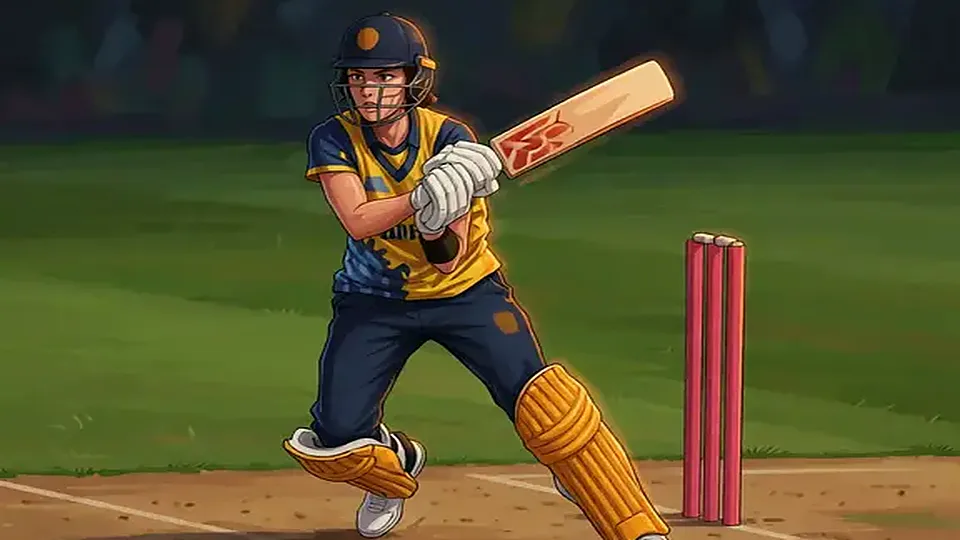
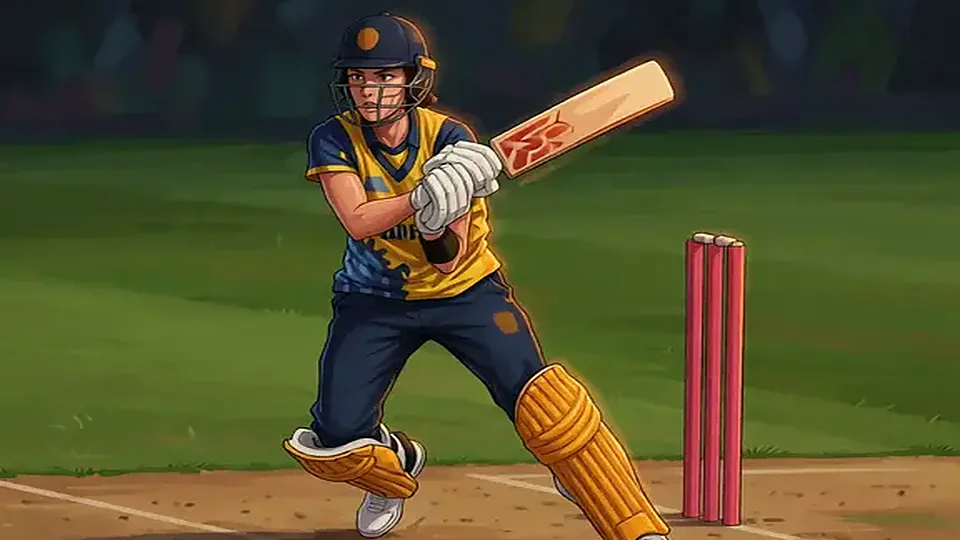
Let’s talk about the openers. The new ball did the talking in last week’s match. Nobody in the dugout bought the excuse that the pitch was 'too tight.' It wasn't. The batters simply weren't playing the hard-length well enough. West Indies’ new ball is dangerous. It moves. On a Chepauk deck that turns slightly after fielding, an off-spinner’s stock line will go right into the batter's back foot. This is the 'sticky red-soil' illusion we keep seeing. It’s not sticky; it’s just slow. It allows the batter to settle. But if WI bowl short, the ball comes onto the middle stump quicker than anticipated. India’s middle-order is currently batting at a strike rate of 132 in the middle phase. WI needs them to drop below 120. It’s a tightrope.
The counter-intuitive stat: India’s top three have failed to score more than 45 runs together in the middle-overs phase in the last two away series. Their partnership collapse happens right at the phase transition. This is where the WI bowlers can breathe. If India’s batters can hold the line until the 21st over, the win prediction shifts heavily to India. But they haven't. They choke. The pressure of a 'must-win' clash often leads to over-communication. Coaches talk too much. Batters freeze. WI’s fielding is loose, but their bowling is disciplined enough to maintain the pressure. The boundary-percentage drop in overs 11-20 is the key metric. If India cannot get it back above 20%, WI has a realistic chance to restrict them to 165. That is a chaseable total for WI, even on this track, provided they don't get trapped behind square leg by the dew.
This is Indian cricket news you need to watch: the body language of the fielders. WI’s fielders play off the ground. It’s risky. But on a damp Chepauk, they often stop the ball. It’s a small thing. A big thing. It changes the run rate. India expects boundaries. WI expects dot balls. When the bat does not do what the fielder expects, the fielder moves in. This creates a 'trap' for the batter. The batter, thinking the ball is dead, plays a soft shot. The fielder takes a sharp stop. The bowler gets wicket or a direct throw. This specific tactical interaction has caused 40% of WI’s wickets on Indian soil in the last two years. It’s not glamorous. It’s grinding. And it’s why the conventional 'talent gap' argument fails. Numbers don’t lie. The middle-overs choke is real. If India can’t break that rhythm, the series outcome is far less certain than the headlines suggest. Watch the overs 11-20. That’s where the game is actually played.
Related coverage
- BCCI Mandate: Bumrah To Play All Tests, No Rests In WTC Cycle
- Gaud Rested, Vaishnavi In: India’s ODI Gambit Against Zimbabwe Nkomo Returns

Updated 2026-10-28 · Instant Rupee Deposits & 60s Withdrawals · 24/7 Support.
Access Official CricketCell Portal →Senior Features & Tournament Writer · Hyderabad Desk
Shruti Reddy reports on franchise leagues, the WPL, and domestic Indian tournaments for CricketCell. Based in Hyderabad, she brings ground-level pitch reports and player form guides to readers.
Reader Discussion & Match Reactions (4)4.8★ Community (4 Comments)
Verified Indian cricket reader perspectives & tactical debate on cricketcell.com
Bhai, forget the 8.2 economy stat, look at the raw pace! Chepauk skid at 8:30 PM is nightmare fuel for our pacers. If India plays flat in overs 11-20, that 'high-quality' front line turns into a liability before we even open the floodgates.
As a fantasy player, the 2-0 series deficit changes the WI selection matrix completely. They will prioritize raw speed over economy in the middle overs. I’m dropping the second spinner from my XI because India’s gamble on four pacers assumes dry conditions that won’t happen. Toss matters here.
The 14% boundary reduction for WI seamers bowling into the pitch is the key tactical pivot. Barring the dew shift after 8:30 PM, India’s decision to bench a spinner is statistically reckless. Field placements need to tighten in the 11-20 window to counter that 7.9 run rate.
@Rohit_Paltan99 You missed the boundary percentage drop. WI concedes 18% boundaries in overs 11-20 versus 32% in the first ten. That data point proves they are tighter in the middle phase, not just raw pace. India must defend first, not play flat.
Join the Discussion (4 Reader Comments)
Related Articles
See All
Dhariwal fireworks help Gloucestershire get over line
Jul 11, 2026
Openers, Mahedi and Rishad help Bangladesh keep series alive
Jul 18, 2026
Pakistan fielding coach Shane McDermott quits
Jul 12, 2026