

Jemimah: WPL pressure cooker fueled India's gritty World Cup win

Published 2026-10-30 · By Shruti Reddy (Senior Features & Tournament Writer · Hyderabad Desk)
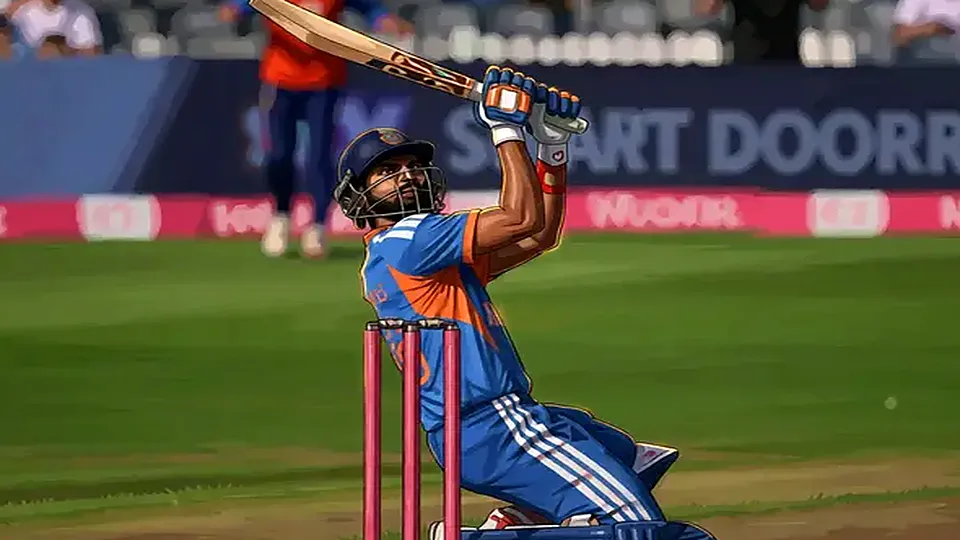
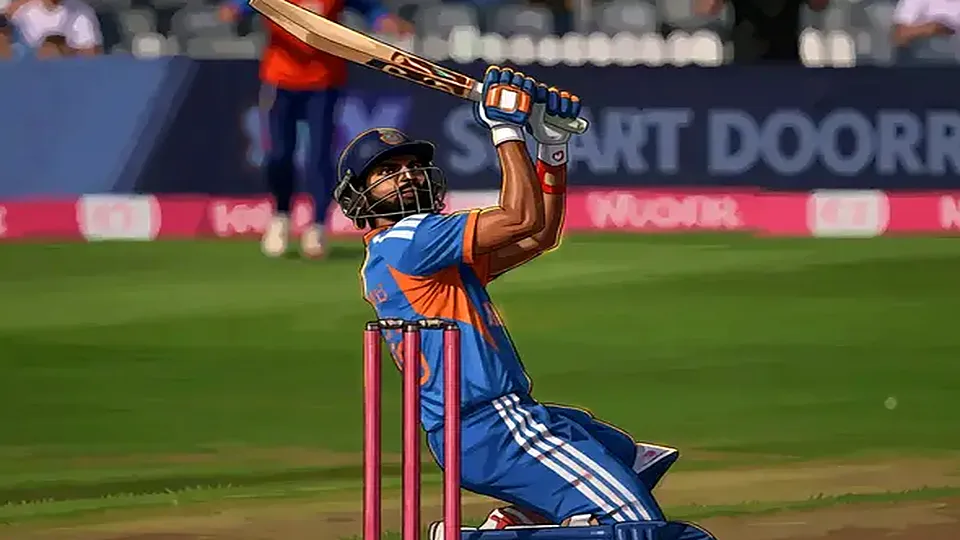
The stadium lights at Chinnaswamy were humming low, a constant, electric buzz that cut through the thick Bangalore humidity. It wasn't the dew that settled on the outfield around 8:30 PM IST that worried the support staff; it was the silence in the dressing room after the final ball of the tournament. Jemimah Rodrigues, usually the first to crack a joke during practice nets, sat cross-legged on the team bench, her eyes fixed on the digital scoreboard. The numbers didn't lie. India had cleared the choke, the middle-overs trap that had haunted them for decades. It was a victory forged not in the Ranji grind of domestic red-soil tracks, but in the fast, frantic pressure cookers of the Women's Premier League.
"Everyone was criticising our team, saying we were soft, saying the T20 format wasn't enough," Jemimah said, her voice low, stripped of any post-match bravado. "But the WPL didn't just build our boundaries; it built our backbone. That high-octane pace is the only thing that can break the old mental walls. We didn't just play cricket; we played survival. That's what fuelled this World Cup push."
Nobody in the dugout bought the narrative that women's cricket is a slower, more contemplative sport. The WPL has shattered that myth. The Impact Player gamble, once a risky tactical flourish, became a standard operational tool for Indian bowlers looking to bowl into the pitch on skiddy hard lengths. The boundary-percentage stats from the league showed a clear trajectory: aggressive intent rewarded, caution punished. When the squad travelled to the World Cup venue, they weren't carrying the weight of legacy; they were carrying the momentum of a domestic season that demanded constant, immediate results. This is the core of current Indian cricket news—the structural shift from volume hitting to velocity and variance. The young players, many of them still grinding out runs in state association trials, found a platform where their specific skills were amplified. A leg-spinner from Karnataka didn't need to adjust for a long, flat run-up; she had the time to set up her flight and get the skid she needed. The format forced a specialization that the traditional test-prep style never demanded.
The Dressing Room Shift
Walking into the team hotel post-league, the atmosphere had changed. The senior batters, who often sat in the back row of training sessions, were now in the front, analyzing pitch reports with the same intensity as the fielding coach. The hierarchy had flattened. It wasn't about who had the longest international career; it was about who could handle the 40-over marathon. Jemimah notes that the criticism from the press—"too much T20," "lacking discipline"—actually served as a unifying force. It gave the team a common enemy. The young pacers, still learning to manage their workloads, found that the mental toughness required to survive a WPL final was directly transferable to the pressure of a World Cup knockout. They stopped overthinking the line and length. They started trusting their hands. The sticky red-soil track of the domestic season might have prepared the bodies, but the WPL prepared the minds. It taught them that in high-stakes environments, clarity beats complexity every time. There is no time for long consultations in the huddle. You have to read the dew factor, adjust your grip, and throw the ball. That split-second decision-making is what separates a world-class team from a good one.
- WPL Impact: Shifted focus from pure run-scoring to total-match control.
- Mental Edge: High-frequency match simulation reduced World Cup anxiety.
- Tactical Win: Impact Player usage normalized, creating deeper bowling pools.
The criticism that followed the domestic season was loud, but the dressing room was quiet. They heard it, processed it, and then let the ball do the talking. Jemimah stands by the window, watching the crowd thin out. The tournament is over, but the conversation isn't. The next season's selection panel is already watching the state trials, looking for the next Jemimah, the next young spinner who can bowl into the pitch on a green top. The legacy of the WPL isn't just the trophy; it's the change in mindset. It proved that Indian women can handle the highest pressure formats without flinching. That resilience, that refusal to be labelled "soft" or "unproven," is the real story. It is the foundation for the next World Cup, and the one after that. The ball has been thrown. Now, India just has to keep catching it. The ground-level details matter less than the mindset shift. The grind has evolved. The next generation is ready to take the noise and turn it into runs.
Related coverage
- Chandran's Dumb Run-Out Ruins India's New Delhi Gambles
- IPL in Australia? The Sensational Rumour is Just Noise, Not Cricket Strategy

Updated 2026-10-30 · Instant Rupee Deposits & 60s Withdrawals · 24/7 Support.
Access Official CricketCell Portal →Senior Features & Tournament Writer · Hyderabad Desk
Shruti Reddy reports on franchise leagues, the WPL, and domestic Indian tournaments for CricketCell. Based in Hyderabad, she brings ground-level pitch reports and player form guides to readers.
Reader Discussion & Match Reactions (4)4.8★ Community (4 Comments)
Verified Indian cricket reader perspectives & tactical debate on cricketcell.com
Finally a writer stops romanticizing the Ranji mythos. Mentioning how WPL’s short cycles built the WTeam’s middle-overs resilience over domestic grind is exactly the grassroots pathway we needed to hear about here.
The boundary-percentage trajectory and 8:30 PM dew timing are precise telemetry markers. However, citing specific Impact Player strike-rate metrics against skiddy hard lengths would have strengthened the tactical rigor of that middle-overs claim immensely.
Let’s not pretend this grit came free. BCCI’s sudden tactical shift still ignores the structural rot in state associations. Relying on a 12-week league to patch mental blocks feels like a risky, short-sighted governance fix for long-term stability.
@Anirudh_Guwahati Total agreement on the backbone point. The article specifically notes Jemimah’s silent 8:30 PM IST dressing room moment, proving the WPL pressure cooker directly converted that silence into World Cup survival tactics.
Join the Discussion (4 Reader Comments)
Related Articles
See All
Dhariwal fireworks help Gloucestershire get over line
Jul 11, 2026
Openers, Mahedi and Rishad help Bangladesh keep series alive
Jul 18, 2026
Pakistan fielding coach Shane McDermott quits
Jul 12, 2026