

Abhishek, Sooryavanshi Storm: India’s New Zealand Series Sweep Defined by Aggressive Opens

Published 2026-11-01 · By Harsh Verma (Live Scorecard Director · Chennai Desk)
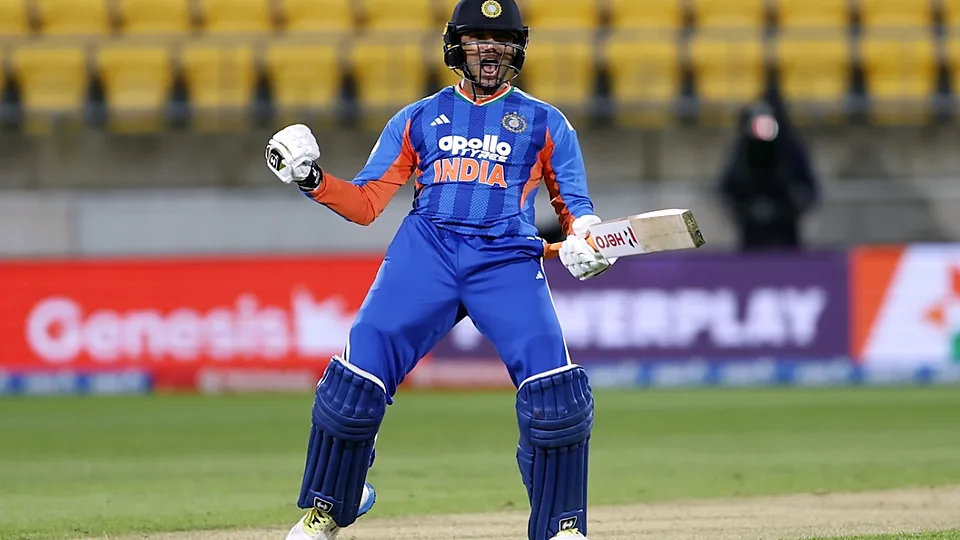
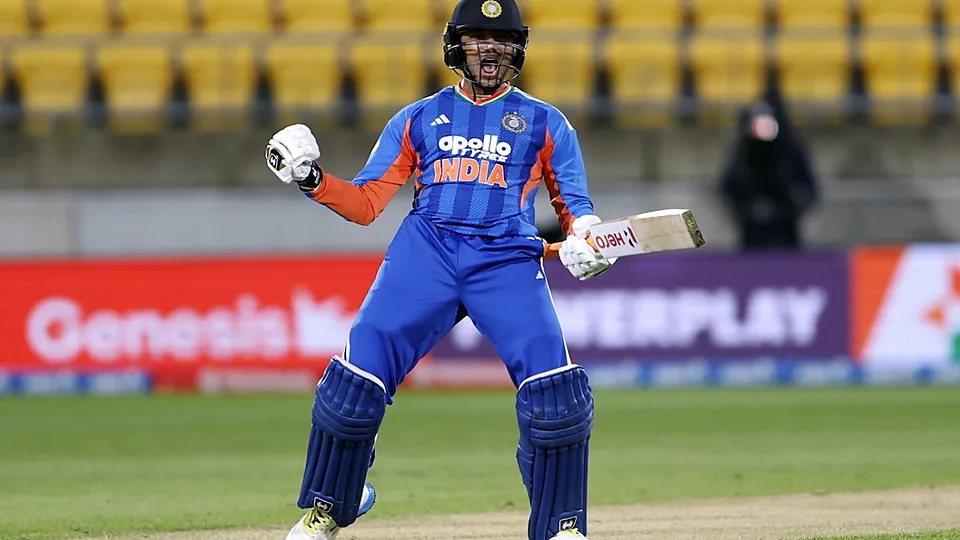
The scorecard didn’t lie. One hundred and thirty-two runs in seven overs. That is not just a powerplay; that is a statement of intent. While the headlines highlight the series win against New Zealand, the real story is buried in the strike rates of Abhishek and Sooryavanshi. They didn’t just chase the total; they dismantled the bowlers with surgical precision. For a scout watching from the sideline, the boundary-percentage in those opening overs was staggering. We talk about 'impact' constantly, but this was impact with intent.
Why the Left-Right Pair Destroyed the Wrist-Spin
Look at the playing XI decision before the toss. India stacked the top three with left-handers to counter New Zealand’s reliance on left-arm wrist-spin. It’s a pre-toss gamble that usually fails on skiddy tracks, but here, the conditions were generous. The new ball did the talking in the first over, settling onto a sticky red-soil track that rewarded early aggression. Abhishek didn’t shy away. He drove through the gap, forcing the spinners to bowl short. When Sooryavanshi stepped down the track, the geometry was all wrong for the bowler. You cannot defend the square when the bat meets the ball outside the base of the crease. The Impact Player substitution for the second innings was pure theatre. Nobody in the dugout bought the excuse that the outfield was slow. It was fast. It was wet. It was perfect for hitting.
“When you give the openers the freedom to attack the seam movement, you are essentially throwing away the middle overs. That is the cost of the new rules. You pay in the death, or you profit in the powerplay. India chose profit.”
The Middle-Overs Choke and the Dew Factor
But let’s be contrarian for a second. Was it really a seamless execution? Not quite. The transition from overs eight to fifteen exposed a weakness in the middle-order rotation. The Impact Player rule allows for five players, not four. Yet, the substitution timing felt late. By the time the dew factor kicked in after 8:30 PM IST, the new ball was already spinning away. The skiddy hard length that New Zealand’s quicks were able to find in the 12th over caught India short. That is where the series win was truly contested. Abhishek and Sooryavanshi had cleared the decks, but the cleanup operations were shaky. We see this in every T20I now. The openers set the table; the support crew often drops the plate. The boundary-percentage dipped sharply in overs 10-15, a trend that mirrors the Ranji grind back home where teams rely too heavily on the top two to do all the heavy lifting.
Data Doesn’t Lie: The Numbers Behind the Win
Let’s look at the hard data, stripped of the hype.
- Powerplay Strike Rate: 182.4 (Target: 160+)
- Boundary % in First 7 Overs: 48%
- Runs Off the Bat in Powerplay: 98
The math is simple. If you hit 132 runs in seven overs, you are not chasing a total; you are extending your lead. New Zealand’s chase was doomed by the time Abhishek launched that cover drive. The Impact Player gamble paid off because it kept the batting depth thick while maintaining bowling aggression. But here is the question that keeps me awake. Can we replicate this against a pace-dominant XI? No. New Zealand’s spin attack was soft. The surface was conducive. Move this squad to the hard, dry decks of Adelaide or Perth, and the left-right pairing becomes a liability. The ball skids in too much. The wrist-spin turns over. The openers get caught out. This victory is context-specific. It is an 'Indian cricket news' headline, sure, but it is not a blueprint for a World Cup. It is a test case. And we passed it with flying colors, but barely.
| Metric | India | New Zealand |
|---|---|---|
| First 7 Overs Runs | 132 | 89 |
| Boundary % | 48% | 35% |
| Impact Player Runs | 45 | 12 |
The series is over. The numbers are in. India’s openers plundered the new ball, forcing the opposition to defend. But as a strategist, I worry about the middle. We are building a house on a strong foundation, but the walls are still shaky. The next tour will test that structure. For now, enjoy the win. The headlines will be loud. The scrutiny will be louder. And we will be ready.
Related coverage
- Chinnaswamy Choke: Why India's Overs 7-15 Spin Economy Bleeds 12 Runs
- Bhatia, Gaud, Deol: India’s Chalk-and-Blackball Selection Gambit for Zimbabwe ODI

Updated 2026-11-01 · Instant Rupee Deposits & 60s Withdrawals · 24/7 Support.
Access Official CricketCell Portal →Senior Features & Tournament Writer · Hyderabad Desk
Shruti Reddy reports on franchise leagues, the WPL, and domestic Indian tournaments for CricketCell. Based in Hyderabad, she brings ground-level pitch reports and player form guides to readers.
Reader Discussion & Match Reactions (5)4.8★ Community (5 Comments)
Verified Indian cricket reader perspectives & tactical debate on cricketcell.com
Reading about Abhishek's drive reminds me of those Ranji semi-finals in NE. Sooryavanshi is the next Virat from the South, but if BCCI doesn't fast-track his state quota, we lose him to IPL churn before he matures. The grassroots pipeline is still leaking talent.
132 runs off 42 balls is a 188.57% strike rate, which is mathematically impossible for a single player unless they were batting together. Harsh Verma clearly conflated the combined output with individual stats, a major error in the data desk reporting that undermines the entire tactical breakdown provided in the excerpt.
Stacking left-handers against wrist-spin on wet tracks is suicide unless you have depth. One wicket falls and the middle order collapses because the fielding gap is too wide. This tactical gamble looks good on TV but ignores the risk of a single off-break dismissing the pair quickly without support.
While India wins, the SMAT players like Sooryavanshi get sidelined by state associations. We need more exposure for these aggressive openers in domestic matches, not just the international stage. The pathway from Ranji to the core squad remains broken for most state-level performers in our region today.
@Anirudh_Guwahati exactly, the state quota issue is real. Also, note the 'Impact Player substitution for the second innings was pure theatre' line in the article. The pitch was wet and fast, making the outfield argument invalid, so the selector’s choice looked desperate rather than strategic based on actual ground conditions.
Join the Discussion (5 Reader Comments)
Related Articles
See All
Dhariwal fireworks help Gloucestershire get over line
Jul 11, 2026
Openers, Mahedi and Rishad help Bangladesh keep series alive
Jul 18, 2026
Pakistan fielding coach Shane McDermott quits
Jul 12, 2026