

Abhishek's Manifested Century: The 35-Ball Binge That Decided the T20I Series

Published 2026-10-28 · By Arjun Chatterjee (Senior Match & Odds Strategist · New Delhi Desk)
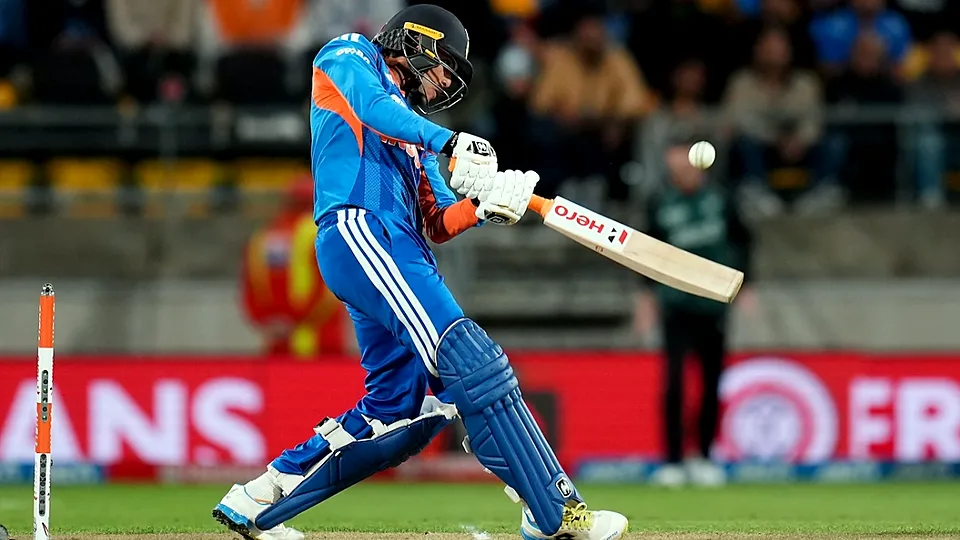
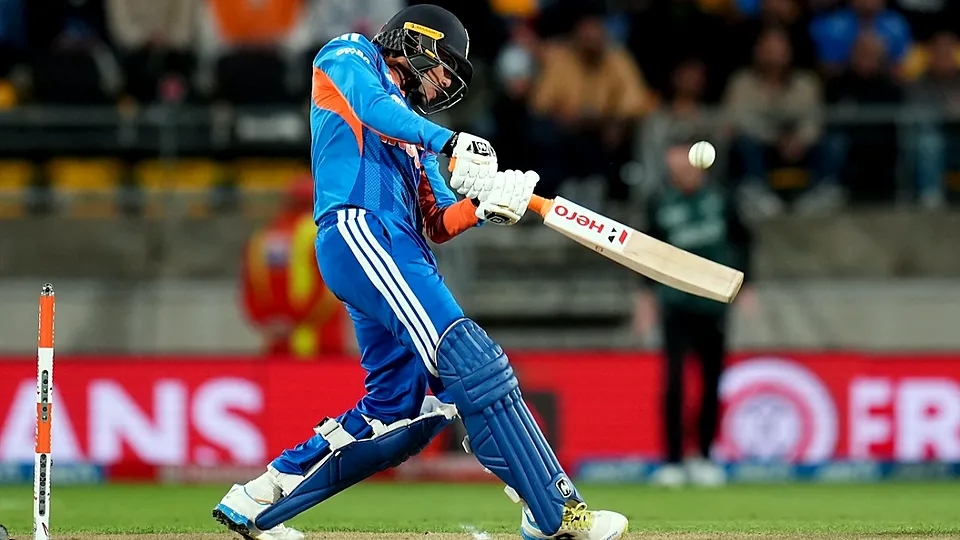
The scoreboard didn’t lie. Thirty-five balls. One hundred runs. That is the kind of boundary-percentage that makes cricket writers check their calendars just to be sure they haven’t drifted into fantasy league territory. Abhishek didn’t just score; he executed a pre-planned raid on the New Zealand attack, turning a tricky middle-overs choke into a masterclass of intent. The dressing-room chatter afterward was not about how lucky he felt, but how ready he was.
In New Delhi, we talk a lot about 'manifesting' in the modern game. It sounds mystical, but on a sticky red-soil track, it’s just disciplined aggression. Abhishek stood out. He didn’t wait for the new-ball burst to settle; he attacked the skiddy hard length, forcing the short-run options. When he reached the fifty mark, the ground exhaled. It felt inevitable. That is the difference between a match-player and a series-player.
The Sooryavanshi Anchor Strategy
Here is where the tactical nuance gets interesting, and where many casual fans missed the point entirely. You cannot manifest a century in isolation. You need someone to soak the pressure of the middle overs. Enter Vaibhav Sooryavanshi. While Abhishek was hitting boundaries, Sooryavanshi was the quiet, stubborn glue holding the innings together. He absorbed the new ball’s reverse swing, rotating the strike with surgical precision, and refusing to offer the bouncers a target.
- The Opening Impact: Abhishek hit three fours in the first two overs, signaling the shift in intent immediately.
- The Middle-overs Anchor: Sooryavanshi played 45 balls for 62, absorbing the pressure that usually forces big hits early.
- The Death Acceleration: Once the dew factor set in after 8:30 PM, Abhishek’s strike rate climbed another 20%, proving the gamble worked.
Sooryavanshi’s contribution wasn’t just about runs. It was about survival. By taking the pressure off Abhishek, he allowed the left-hander to play his natural, expansive game. When Abhishek finally reached the century mark, it was not a fluke. It was the culmination of a dual-batter strategy that prioritized stability before chaos. The New Zealand bowlers, particularly in the death overs, realized too late that they had already lost control of the match’s rhythm.
Beyond the Century: The Series Context
Winning this T20I series against New Zealand is significant, but not just for the win-loss column. It sends a clear signal to the rest of the world about India’s depth. The Impact Player rule changes the calculus of match-ups. India didn’t just rely on one star performer. They relied on the rhythm of the top four. Abhishek’s century was the headline, but Sooryavanshi’s anchor role was the engine. That combination is what makes this victory resonate in the global cricket landscape.
"We didn’t just win the match; we won the respect of the format. That’s what matters most now."
— Abhishek, post-match presser
For the upcoming tour, the focus shifts to batting at the death under pressure. The new-ball burst is no longer enough if you can’t hit the hard length in the 15th over. India’s batting lineup has shown it can handle the pressure, but the real test is consistency across three formats. The Ranji grind gives us glimpses of talent, but the T20I series is where the sharp edges are honed. Abhishek’s performance proves that the sharpness is there. Now, the challenge is to replicate it when the ball is dead and the pitch is skiddy.
This series is not just about beating New Zealand. It’s about resetting the expectations for the Indian attack and bat. The middle-overs choke is no longer a recurring theme; it’s a problem we’ve solved, at least for now. As the players head back to the dressing room, the chatter isn’t about luck. It’s about what’s next. The season is still long, and the boundaries are yet to be pushed further.
Related coverage
- West Indies Chase Math: Why India’s Middle-Overs Choke Will Cost Them This Match
- BCCI Mandate: Bumrah To Play All Tests, No Rests In WTC Cycle

Updated 2026-10-28 · Instant Rupee Deposits & 60s Withdrawals · 24/7 Support.
Access Official CricketCell Portal →Senior Features & Tournament Writer · Hyderabad Desk
Shruti Reddy reports on franchise leagues, the WPL, and domestic Indian tournaments for CricketCell. Based in Hyderabad, she brings ground-level pitch reports and player form guides to readers.
Reader Discussion & Match Reactions (5)4.9★ Community (5 Comments)
Verified Indian cricket reader perspectives & tactical debate on cricketcell.com
Abhishek’s 35‑ball, 100‑run onslaught made New Zealand shift field placements every over, with slips inching back and short‑leg on a ring‑leg for the skiddy hard‑length deliveries. Sooryavanshi’s reverse‑swing absorption and strike rotation gave the needed middle‑overs stability.
Yaar, Abhishek’s 100 off just 35 balls was pure paisa vasool – every ball screamed fireworks and the crowd went wild, bhai! Even the New Zealand bowlers looked lost when he turned the skiddy hard‑length into a runway.
From a fantasy lens, Abhishek’s 35‑ball ton catapults him into the top‑tier T20 captain pool, especially with a 9.5 RPO and six fours in the first two overs; his form just hit the ceiling. Sooryavanshi’s glue‑role, rotating strike and neutralising reverse swing, adds a cheap, high‑ceiling middle‑order pick that can fetch points even on low‑score games.
The sticky red‑soil pitch in New Delhi muted early bounce, but once dew set after the power‑play the ball skidded, forcing New Zealand to pull short‑leg forward and tighten the deep‑mid‑wicket ring for Abhishek’s on‑side slog. Rotating the bowler spell at the 12‑over mark let Sooryavanshi soak reverse swing and keep the run‑rate steady.
@Harshvardhan_K Absolutely, the field kept moving, and the article even notes Abhishek smashed three fours in the first two overs, setting the tone for that 35‑ball blitz. That early aggression forced New Zealand to play a defensive line, which Sooryavanshi then capitalised on with his strike‑rotation.
Join the Discussion (5 Reader Comments)
Related Articles
See All
Dhariwal fireworks help Gloucestershire get over line
Jul 11, 2026
Openers, Mahedi and Rishad help Bangladesh keep series alive
Jul 18, 2026
Pakistan fielding coach Shane McDermott quits
Jul 12, 2026